

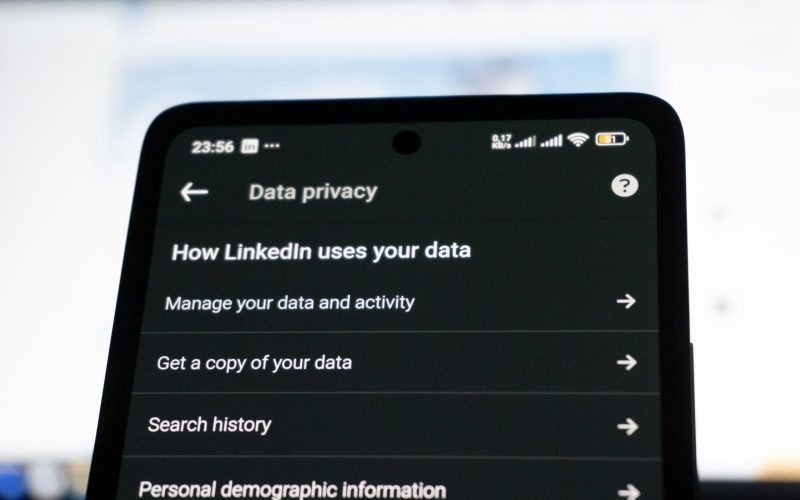
Rising Cybersecurity Threats Alert: Protect Your Data Now
Every day, it seems like there’s news of another data breach or cyber attack. The threat is increasing and becoming more personal. We store much of our lives online—social connections, bank accounts, and work. Therefore, “Rising Cybersecurity Threats Alert: Protect Your Data Now” isn’t just a phrase. It’s a call to action. Protecting your data is more important than ever.
You might wonder why understanding this topic is important. It’s simple. Awareness is your first line of defense. Knowing what threats exist and how they work can help you stop them. Think of it like spotting symptoms of a cold before it becomes the flu. Being prepared gives you power. You don’t have to be a tech expert to protect yourself. Basic knowledge and common sense work wonders.
Cybersecurity attacks have risen in recent years. These issues are often discussed on quickanddirtysecurity.com. These attacks don’t just target big businesses or government offices. Individuals like you and me are targets too. It’s crucial to know what’s happening in cybersecurity. So, let’s explore these threats. I’ll share insights from my real-world experiences.
Who Is Involved or Affected?
Let’s talk about who fights these cyber battles. It’s not just IT experts or government workers. If you use the internet, you are part of it. Anyone with an online presence can become a target. Businesses, big and small, are often in the crosshairs. This includes retail stores, banks, healthcare providers, and schools. Hackers see them as data gold mines.
Individuals are not safe either. I’ve seen many people find their bank accounts emptied or their personal info sold on the dark web. These events are common. Hackers can target anyone—from elderly folks who may not know tech well to teenagers who download apps carelessly.
What Is Actually Happening?
You might ask, “What’s going on with all these breaches?” The answer is exploitation. Cybercriminals are getting better at exploiting weaknesses. They find vulnerabilities in systems lacking patches, use old software, and capitalize on human error. For example, phishing emails still trick many people. It’s both amazing and frightening.
Ransomware attacks are also brutal. Imagine a city coming to a standstill because hackers encrypted its data, demanding payment to release it. I remember a case where a small business owner lost access to customer data, nearly stopping their business.
Where Is This Taking Place?
Cyber threats are not just local. They happen worldwide. Some countries are hotspots for these activities, hosting hacker groups and cybercriminals. Eastern Europe and Asia have notorious reputations, but attacks can come from anywhere, even nearby. I read about a hacker from my city who ran international scams. It’s unsettling to see how global links fuel local crimes.
These attacks target various places—like schools or libraries—where you’d least expect them. I heard about a university attacked because their system was linked to a larger network used by hackers. It’s a tough reminder that any place with digital access is at risk.
Why Is This Important Right Now?
Dealing with these cyber threats is urgent. The digital transformation has worsened these issues. More devices connected to the internet means more entry points for hackers. Think about it: smartphones, smart homes, even smart cars can be attacked.
Plus, cyberwarfare by countries is a growing threat. Tensions between nations are increasingly digital. I doubted cyberwarfare’s impact until I saw how country-specific malware disrupted infrastructure in real-time.
How Does the Attack Work?
Let’s look at how attacks happen. Cyber attacks usually follow a pattern. First, attackers choose a target. Next, they look for weaknesses—an outdated system, a security loophole, or even a gullible employee. I remember a phishing attack where hackers pretended to be a famous company to trick an employee into giving them login details.
Once inside, real damage begins. In ransomware cases, attackers encrypt data and demand a ransom, often in cryptocurrency. Another method involves using malware to gather data silently. These attacks vary widely. From DDoS attacks flooding a server with traffic to threats hiding quietly in systems for years undetected.
How Can It Be Prevented?
Now, let’s discuss prevention. Simple practices and awareness make a big difference. Regularly updating software and fixing vulnerabilities is crucial, like locking up in a storm. Backing up data is also important. I’ve seen companies recover quickly from attacks because they had up-to-date backups, saving time and money.
- Use strong, unique passwords and try password managers to store them securely.
- Train employees and family to recognize phishing and suspicious activities.
- Enable two-factor authentication for extra security.
- Invest in good antivirus and firewall protection.
Monitoring network traffic for unusual activity can alert you to potential issues early. In one example, a small network anomaly helped catch an intrusion attempt just in time. Being proactive in cybersecurity measures is no longer optional but essential.
| Cautionary Measure | Description |
|---|---|
| Software Updates | Install patches regularly to fix vulnerabilities. |
| Backups | Keep regular backups to prevent data loss from attacks. |
| Employee Training | Educate on recognizing phishing and social engineering tactics. |
| Two-Factor Authentication | Enhance account security with more verification steps. |
| Network Monitoring | Regularly check for unusual activity as an early warning system. |
As we wrap this up, remember: Awareness and preparedness are your best defenses. Though technical details can seem tough, basic steps can boost your safety. Stay vigilant. Stay informed. Protect your digital life proactively.